In today’s digital world, a résumé alone isn’t enough. Learning how to build a professional online presence as a student is now essential for internships, networking, and future job searches. By using LinkedIn, personal websites, and even social media wisely, you can stand out from the crowd.
This guide shares practical steps for building a personal brand as a student that truly reflects your skills.
Why Online Presence Matters
Employers and recruiters often check online profiles before making interview or hiring decisions. A polished digital identity signals that you are serious about your career and capable of presenting yourself professionally.
Beyond that, it shows you can communicate effectively, highlight your skills, and adapt to modern career tools. Today, a strong online presence is considered just as valuable as grades, internships, and experience.
For more insights, see What Employers Value More: Skills or Degrees?
LinkedIn: Your Professional Hub
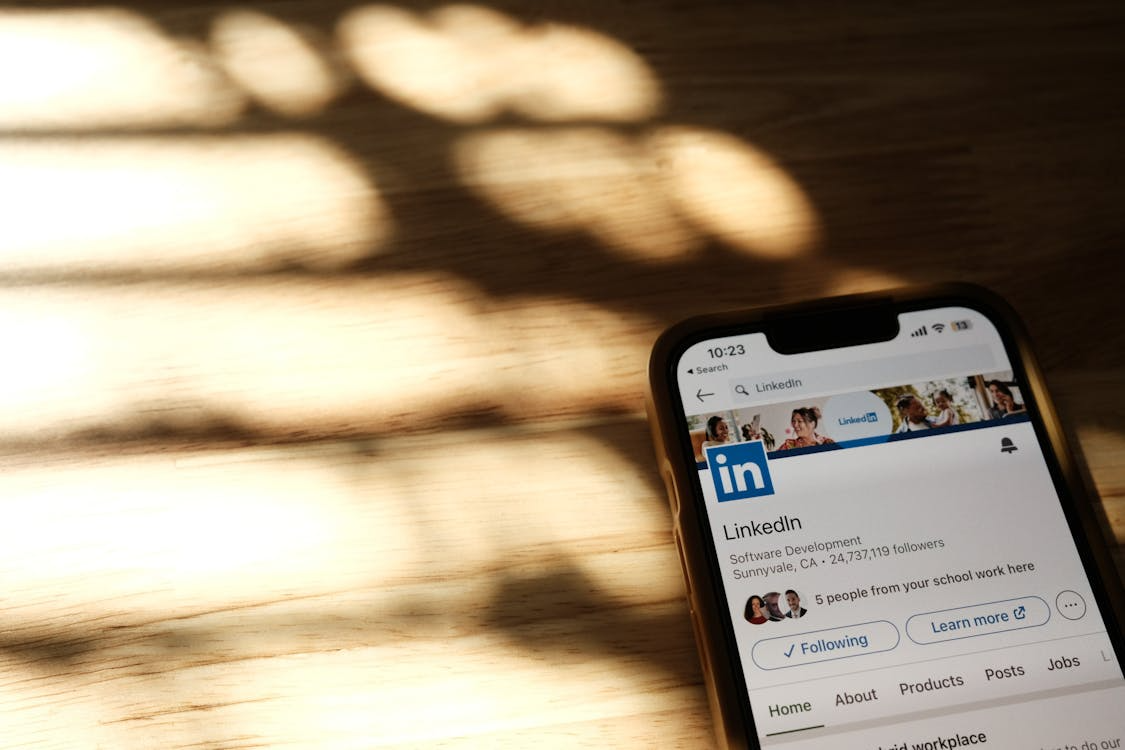
For students, LinkedIn is often the first stop in career networking. Here are some LinkedIn tips for students to help your profile stand out:
- Use a clear, professional headshot.
- Write a headline that highlights your goals or area of study.
- Share class projects, internships, or volunteer work as experience entries.
- Request recommendations from professors, supervisors, or mentors.
Practicing networking on LinkedIn as a student also helps you connect with alumni, recruiters, and industry groups. These connections can lead to mentorships or even job opportunities.
Check out Networking Tips for Students Who Hate Networking for practical strategies.
Personal Websites and Portfolios
While LinkedIn is crucial, a personal website for students can take your online presence further. A website allows you to showcase class projects, research papers, or creative work in more detail. Think of it as a living resume that evolves with you.
Consider adding:
- A short bio introducing your career goals.
- An online portfolio for students with writing samples, design work, or coding projects.
- A blog section where you reflect on your learning or industry trends.
This kind of resource also makes it easier to showcase your skills online beyond a static resume.
Using Social Media the Right Way
Social channels can support or damage your reputation. That’s why social media for professional networking must be managed carefully. Share relevant articles, comment thoughtfully, and follow leaders in your field.
Equally important is digital footprint management. Audit your accounts to remove old posts or photos that don’t align with your professional goals.
Employers notice these details, and they may influence decisions about internships or interviews.
Resources That Help You Grow
Creating a digital brand takes time, but the effort pays off. Platforms like LinkedIn Learning and online career services offer tools to polish your presence.
You can also check our guide on The Best Online Platforms for Learning Practical Skills to help you gain certificates or showcase new abilities on your profiles.
For additional perspective, the Guardian outlines how to build your personal brand, reminding students that authenticity matters just as much as professionalism.
A Lasting Career Advantage
Learning how to build a professional online presence is no longer optional for students, but a career advantage. By optimizing LinkedIn, creating a personal website, and using social media strategically, you’ll be ready to present your best self to employers.
Remember, building your online identity is an ongoing process. Start now, refine as you grow, and your digital presence will continue to open doors long after graduation.